How to Choose a Hot Air Balloon Flight in Barcelona
Start with the view you actually want
Before comparing flight options, decide what makes the experience worth your time. A hot air balloon ride around Barcelona is not the same as a ride over open countryside, and the route shapes the whole morning. Some flights focus on the city edge, some on wider Catalan landscapes, and some are planned around the Montserrat mountain area. A clear view of the Cathedral of Barcelona can be memorable, but it should not be the only reason to pick a flight. Weather, take-off area and flight path all affect what is visible on the day.
Think in terms of atmosphere rather than postcards. A flight over vineyards, small towns and hills gives a quieter, more rural feel. A flight closer to the city can feel more dramatic, yet it also depends more on local airspace rules and suitable launch conditions. If the idea is to relax and take in the horizon, choose a route with space and open land. If the aim is to mark a special occasion, look for a flight with a clear meeting point, a calm pace and enough time to enjoy the whole experience.
Check the flight format and timing
Timing matters more than many people expect. A morning flight is commonly preferred because the air is usually steadier early in the day. As the sun warms the ground, thermal winds can build and make conditions less predictable. That does not mean later flights are never possible, but it does mean the early slot is often the safer and smoother choice for a first ride.
Look at the full time commitment, not only the time in the air. A typical outing includes check-in, travel to the launch area if needed, a safety briefing, boarding, the flight itself, packing up and the transfer back. Flight duration can vary with weather and the planned route, so treat any advertised airborne time as a general guide rather than a fixed promise. If you have another booking later, leave a generous gap.
Ask what happens if conditions are not suitable. Ballooning depends on wind, rain and visibility, and a responsible operator will not pretend otherwise. A good choice is one that explains the weather decision clearly and offers a sensible rescheduling or refund approach. Avoid any option that sounds casual about flying in poor conditions.
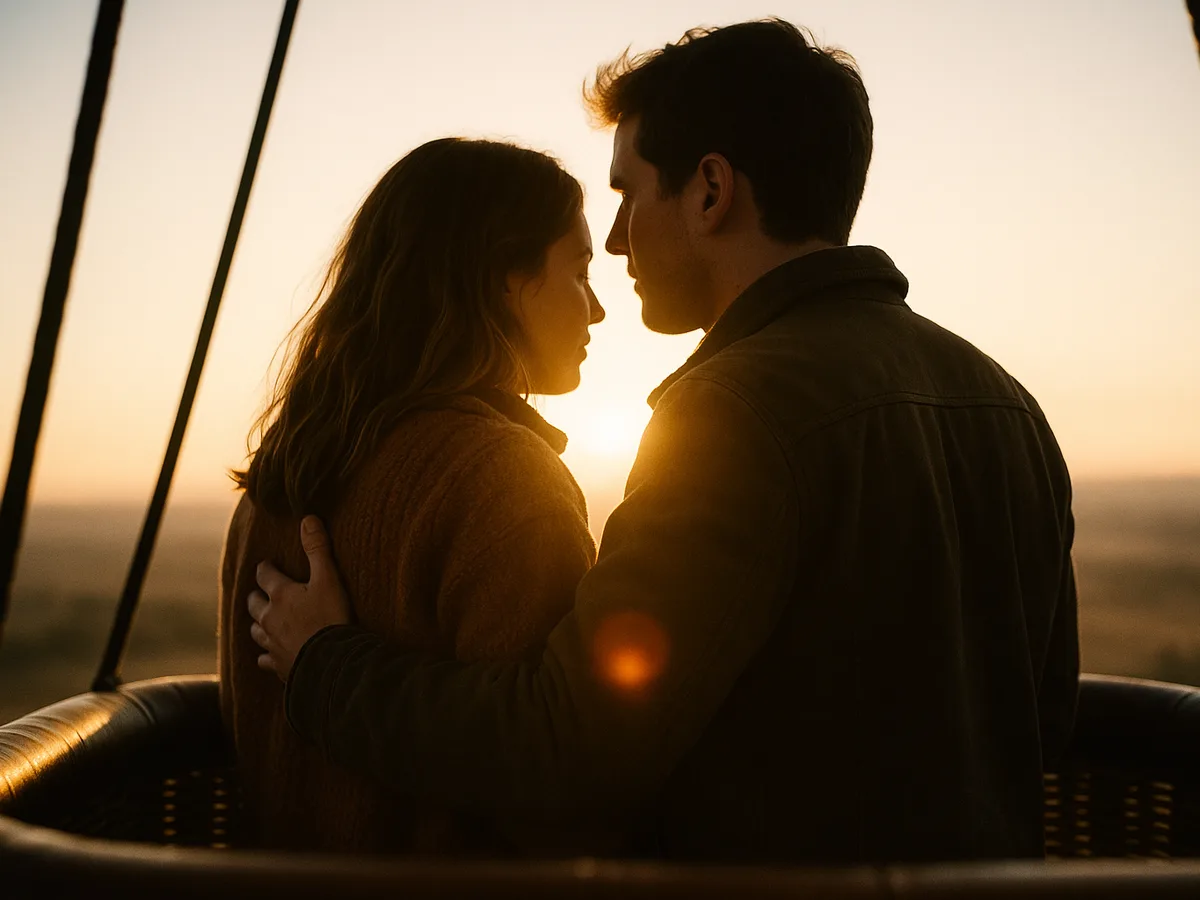
Compare basket size and group feel
Basket capacity changes the character of a flight. A smaller basket often feels more personal, with each passenger having room to see over the side and move with care. A larger basket can feel steadier to some people, but views may be more crowded and movement more limited. Neither is automatically better. The right choice depends on whether you value space, conversation, privacy or a shared group atmosphere.
Check how passengers are grouped before booking. If you are travelling as a couple, you may prefer a flight where groups are arranged thoughtfully. If you are booking for a family, consider whether children meet the minimum age or height requirement and whether the pace suits them. Older passengers may want clearer details about boarding, standing time and the landing procedure. These questions are practical, not picky, and they help avoid surprises on the morning.
Look closely at safety standards
Safety should shape the choice from start to finish. A professional flight begins with a proper safety briefing, clear instructions and a crew that takes time to answer questions. Pay attention to how information is presented before payment. If the details are vague, or if the focus is only on excitement and photographs, keep looking.
When reviewing an operator, check whether pilots are appropriately qualified and whether maintenance is treated as routine and serious. You do not need to understand every technical detail, but you should see signs of organisation. These include a defined meeting point, a clear check-in process, sensible passenger rules and a plan for changing conditions. The best choices make safety feel normal, not like an afterthought.
Be cautious about anything that asks passengers to take part in risky tasks. Loading, burner control and technical checks are not passenger jobs. The landing procedure should be explained by the crew and followed by passengers under direction. If a provider suggests that passengers handle equipment or interfere with controls, that is a warning sign.
In the middle of comparing routes, groups and timings, it helps to return to the basic question behind ballooning barcelona: will this flight be well managed from launch to landing? A beautiful route means little if the operator is disorganised or unclear about safety. Read the booking terms, the passenger requirements and the weather policy as carefully as the route description.
Read the route description with realism
Route language can be tempting, especially when it mentions landmarks and sweeping views. Read it as a guide to the area, not a guarantee of exactly what you will see. Balloons go where the wind allows, so even a carefully planned flight may drift over different scenery. A reputable provider will describe the general launch region and the kind of landscape passengers can expect, while being honest that the final path depends on conditions.
Consider how the route works with transport. Some flights begin at a central meeting point and include a transfer to the launch site. Others require passengers to reach a rural meeting point independently. The second option can be cheaper or quieter, but it needs planning, especially early in the morning. Check whether return transport is included and whether it goes back to the same place. If not, factor in the extra time and cost of getting back.
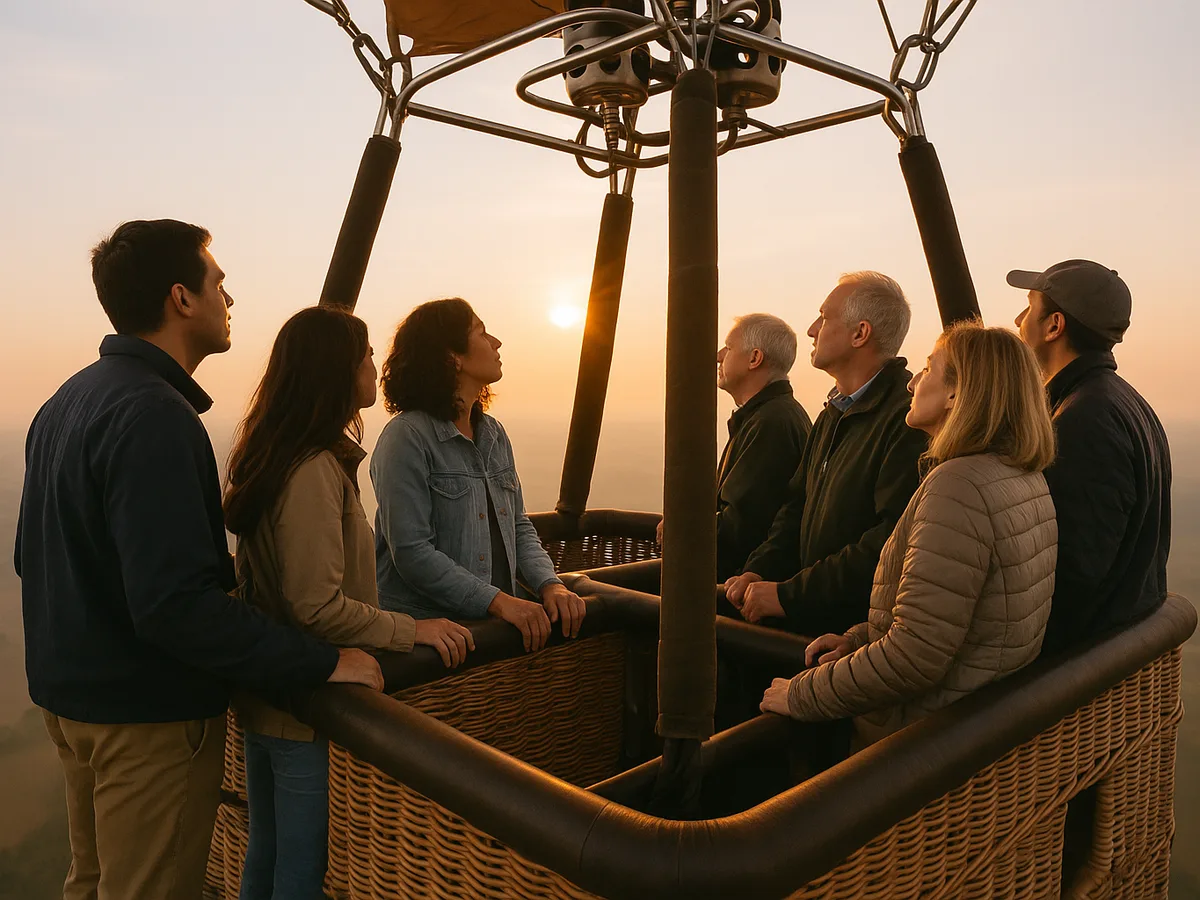
For visitors staying near the historic centre, access before dawn can be a real consideration. Confirm the meeting location in advance and allow extra time for unfamiliar streets. A flight may be peaceful, but getting to it should not feel rushed.
Understand the weather rules
Balloon flights are among the most weather-dependent experiences you can book. Wind strength, wind direction, rain and visibility all matter. Light, steady conditions are ideal. Strong or shifting winds can affect launch safety and the landing procedure, while poor visibility reduces the value of the view and can prevent a flight altogether.
Ask when the final go or no-go decision is made. It is usually better to have that decision made by experienced crew close to the flight time, rather than days before. A provider that cancels early in doubtful conditions may be protecting its schedule, while one that pushes ahead in poor weather may be taking unnecessary risks. The balanced approach is a clear weather check and a willingness to pause.
Another useful detail is what passengers should wear. Early mornings can be cool, even when the day becomes warm. Layers are practical, and flat shoes are better than heels or loose sandals. Avoid clothing that may catch on the basket or make movement awkward. This is not about dressing for style, it is about being comfortable and steady during boarding and landing.
Compare value, not just headline appeal
Once the practical points are clear, compare what is included. Does the price cover transport, the safety briefing, the flight and return transfer? Are photographs included, or is there pressure to buy them afterwards? Is there breakfast or a drink after landing? Extras do not automatically make a flight better, but clear inclusions make the experience easier to judge.
Pay attention to cancellation terms and communication. A lower price may be less attractive if the rules are rigid or the contact details are hard to find. A slightly higher priced option can feel better value if it gives clear instructions, sensible weather handling and a well-organised meeting process. The aim is a smooth morning, not a complicated bargain.
Reviews can help here, though they should be read with care. Look for comments about punctuality, organisation, pilot communication and how weather changes were handled. One unhappy review may reflect an unusual day. Repeated complaints about the same issue deserve attention. Repeated praise for calm, clear instruction and a well-run flight is a stronger sign.

Make the final choice with a few checks
By this stage, the decision should be less about the most attractive photograph and more about fit. Confirm the date, meeting point, start time, group size, passenger requirements and weather policy. Then check that the flight duration is described honestly and that the route is presented as flexible. If anything is unclear, ask before paying rather than on the morning.
A good way to narrow the choice is to compare three options against the same standard: safety clarity, route area, timing, group size and transport. The option that explains itself best is often the one that feels most reliable. Clear wording usually reflects clear planning.
When the details line up, book with the provider that gives you confidence without overpromising. A hot air balloon flight is shaped by the sky, so flexibility is part of the appeal. Choose carefully, arrive prepared and let the morning unfold with a crew that knows how to manage it.